A panic attack is the body's alarm system firing at full volume when there is no danger — a surge of adrenaline, a racing heart, breath that won't settle, and a conviction that something is catastrophically wrong. It is one of the most intensely unpleasant experiences a healthy body can produce. It is also not dangerous, it follows a mechanism you can understand, and it is one of the most treatable problems in all of CBT.
Most people who have had a panic attack remember the first one with unusual clarity: where they were, what they were doing, the moment it began. It stays vivid because a panic attack does not feel like anxiety — it feels like a medical emergency. Heart hammering, chest tight, breath coming in shallow gulps, hands tingling, a sudden certainty that this is a heart attack, or a stroke, or something not yet named. Many people go straight to A&E during their first attack, are checked over thoroughly, and are sent home with the news that physically they are fine. I have sat with a lot of people for whom that reassurance was completely true — and completely insufficient to stop the next attack.
That is because the problem, from the second attack onward, is rarely the attack itself. It is the fear of the next one, and what that fear makes you do.
What a panic attack actually is
A panic attack is the threat response — fight or flight — firing in the absence of an actual threat. It is a coordinated physiological cascade built to prepare the body for sudden physical action, and it is brilliantly engineered for the job it evolved to do. The trouble is that the system is largely indifferent to whether the threat is real: once it fires, the cascade runs to completion, which is why the experience feels so overwhelmingly physical even when nothing external has happened.
One-off panic attacks are common and often never repeat. When attacks recur and the fear of them starts organising your life, that is panic disorder — which the NHS estimates affects at least 1 in 100 people in the UK. It is a recognised, well-understood condition with a first-line treatment: CBT.
The physiology, piece by piece
Every frightening symptom of a panic attack is a direct, explainable consequence of the cascade. Adrenaline floods the system. The heart rate rises sharply to push blood to the large muscles — well within the range a moderate jog would produce, though it feels wilder than that. Blood is diverted away from the digestive system and the extremities, which produces the queasy stomach and the cold hands. Pupils dilate, awareness narrows, and that narrowed, high-arousal perception is what creates the eerie sense of unreality some people describe.
The breathing symptoms deserve their own explanation, because they are the most misunderstood. During panic, breathing becomes rapid and shallow — overbreathing, or hyperventilation. Overbreathing doesn't give you too little air; it blows off too much carbon dioxide. CO₂ levels in the blood drop — the technical term is hypocapnia — which briefly shifts the blood's chemistry toward alkaline (respiratory alkalosis). That shift narrows blood vessels, including those supplying the brain, and makes nerve endings more excitable. The results are the classic panic sensations: dizziness, light-headedness, tingling in the hands and around the mouth, and chest tightness. It feels exactly like suffocating. It is the opposite — breathing too much, not too little — and it is not dangerous. When breathing settles, CO₂ returns to normal and the sensations fade on their own.
Knowing this mechanism matters, because the sensations only fuel panic while they are unexplained. A tingling hand that means “low CO₂ from fast breathing” is an entirely different experience from a tingling hand that means “stroke.”
The cycle: how ten seconds of body becomes a full attack
Panic attacks that “come out of nowhere” are almost always following this loop — it just runs faster than awareness:
1. A trigger sensation
A slightly faster heartbeat on the stairs. A moment of light-headedness standing up. A tight chest after coffee. Ordinary, harmless, and — after a first attack — suddenly noticeable.
2. A catastrophic interpretation
“Something is wrong with my heart.” “I can't breathe.” “It's happening again.” The interpretation may be half-conscious — a flicker of alarm rather than a sentence.
3. The alarm fires
The threat system responds to the interpretation with adrenaline: heart rate up, breathing faster and shallower, muscles tensed.
4. Stronger sensations
The adrenaline and the falling CO₂ produce more of exactly the sensations that started the loop — pounding heart, dizziness, tingling, tight chest — now more intense.
5. Confirmation
“See — it IS happening.” The stronger sensations appear to prove the catastrophic interpretation right, the alarm escalates, and the loop completes in seconds. This is why attacks feel like they start in the body, not the mind.
What keeps panic coming back
Between attacks, four habits quietly maintain the disorder — each one reasonable in isolation:
- Safety behaviours. Carrying water everywhere, sitting near exits, keeping a phone in hand in case an ambulance is needed, breathing exercises used as a survival tool. Each one carries the hidden message: that was dangerous, and this is what saved you — so the belief in danger never gets tested.
- Avoidance. No more coffee. Not that supermarket. Not the underground, or lifts, or motorways, or anywhere far from a hospital. The world shrinks around the fear, one sensible-seeming exclusion at a time.
- Body scanning. After a first attack, attention turns inward and monitors the body for early warnings. But a watched body produces sensations — and every ordinary flutter now gets fed into the top of the cycle.
- Escape “confirmations.” Leaving the meeting, pulling over, getting off the bus — and feeling the panic subside. It feels like proof that escape was necessary. It was actually proof that panic peaks and passes; the attack was about to subside anyway, and escape stole the credit.
How CBT for panic attacks works
CBT for panic attacks is one of the most specific, best-evidenced protocols in the field, and it targets the cycle above directly. The components, roughly in order:
1. Psychoeducation and decatastrophising
More important than it sounds. Most people arrive with an inaccurate model of what their body is doing — a heart rate believed to be dangerous that a jog would exceed, a feeling of suffocation that is actually low CO₂ from breathing too much. We replace the inaccurate model with an accurate one, and then examine the catastrophic interpretations against the evidence of what your body has actually done, every time. This changes the meaning of the sensations — and the meaning is what fires the alarm.
2. Interoceptive exposure — producing the sensations on purpose
The counterintuitive heart of the treatment. Together, deliberately and safely, we recreate the feared sensations: breathing fast to produce the light-headedness and tingling of low CO₂, spinning in a chair for dizziness, running on the spot for a pounding heart. Each repetition, with nothing bad happening, retrains the threat system to stop reading these sensations as catastrophic. It is the part people find hardest to start and most useful once started.
3. Dropping the safety behaviours
One at a time, by agreement: the water bottle stays home, the exit seat goes unclaimed, the breathing technique is set aside. Not as a test of nerve — as an experiment. Each time the feared catastrophe fails to happen without the prop, the brain gets the data it has been protected from: the prop was never what kept you safe, because you were never in danger.
4. Situational exposure — growing the world back
We list the places and situations that have been quietly excluded, rank them by difficulty, and re-enter them gradually, easiest first. Each successful re-entry — staying, rather than escaping — adds evidence, and the world grows back toward its normal size.
5. A relapse plan you keep
Before finishing we write down, together, what the panic cycle looks like for you, what pulled you out of it, and exactly what to do if a stray attack shows up in six months — because one might, and a single attack handled well is a blip, not a relapse. The aim is that you leave as your own therapist for this.
When to seek help
One honest note first: chest pain or breathlessness that is new to you deserves a medical assessment the first time — that is simply good sense, not health anxiety. Once you have been checked and cleared, the recurring pattern is the target, and treating it as panic is what works.
If you have had two or more attacks, if you are spending energy between attacks worrying about the next one, or if you are avoiding places or activities because of the possibility of panic — the pattern has set in and is unlikely to clear on its own. Free routes first: in England, the NHS panic disorder page explains the condition and NHS Talking Therapies accepts self-referral.
Panic attack treatment — online across the UK & Ireland
Panic disorder responds to CBT about as reliably as anything in the field — most people see significant change within eight to twelve sessions, and the work usually leaves you with a body you can trust again. The treatment is specific, structured, and collaborative: nothing in the exposure work happens without your agreement, and everything is explained before it is attempted.
If you'd like to do this work with me: I'm Jack, a CBT therapist and University of Edinburgh researcher, and panic is a pattern I find genuinely satisfying to treat, because the mechanism is so clear and the change so visible. A free 15-minute call is the easiest way to start — you can ask anything, and there's no pressure either way. Sessions are £60, online, evenings available.
Common questions
Can a panic attack hurt me?
No. A panic attack is the body's normal fight-or-flight response firing at the wrong time — the racing heart, breathlessness and dizziness are the same responses a hard sprint would produce, and the body handles them safely. Many people go to A&E during a first attack, are checked over and sent home physically fine. One honest caveat: chest pain that is new to you deserves a medical assessment the first time. Once you're cleared, the recurring pattern is a panic pattern — and treating it as one is what works.
Why does my chest get tight?
Mostly because of overbreathing. Fast, shallow breathing blows off more carbon dioxide than the body is producing, so CO₂ levels drop — hypocapnia. That briefly shifts blood chemistry toward alkaline, narrowing blood vessels and making nerves more excitable: chest tightness, dizziness, light-headedness, tingling hands. It feels like suffocating; it's actually breathing too much, not too little — and it isn't dangerous. When breathing settles, it fades on its own.
Why do I get panic attacks for no reason?
There is almost always a trigger — you just didn't notice it. After a first attack the threat system stays on alert, so a slightly faster heartbeat or a moment of light-headedness can set off the self-amplifying cycle, which builds in ten or fifteen seconds before you're consciously aware. It feels reasonless because it starts in the body, not the mind — but it follows a pattern CBT can interrupt.
How do I stop a panic attack quickly?
Slow, gentle breathing helps in the moment — it lets CO₂ return to normal, which switches off the dizziness and tingling. But there's a trap: if breathing becomes the thing you believe kept you safe, it turns into a safety behaviour that quietly maintains the problem, because the belief in danger never gets tested. The lasting fix is learning that the sensations themselves can't hurt you.
How many sessions does panic treatment take?
Panic is one of the most consistently treatable presentations in CBT — most people see significant change within roughly 8 to 12 weekly sessions, reviewed openly as we go. Online CBT works well for panic; the exposure work is planned together and done at a pace you agree to.
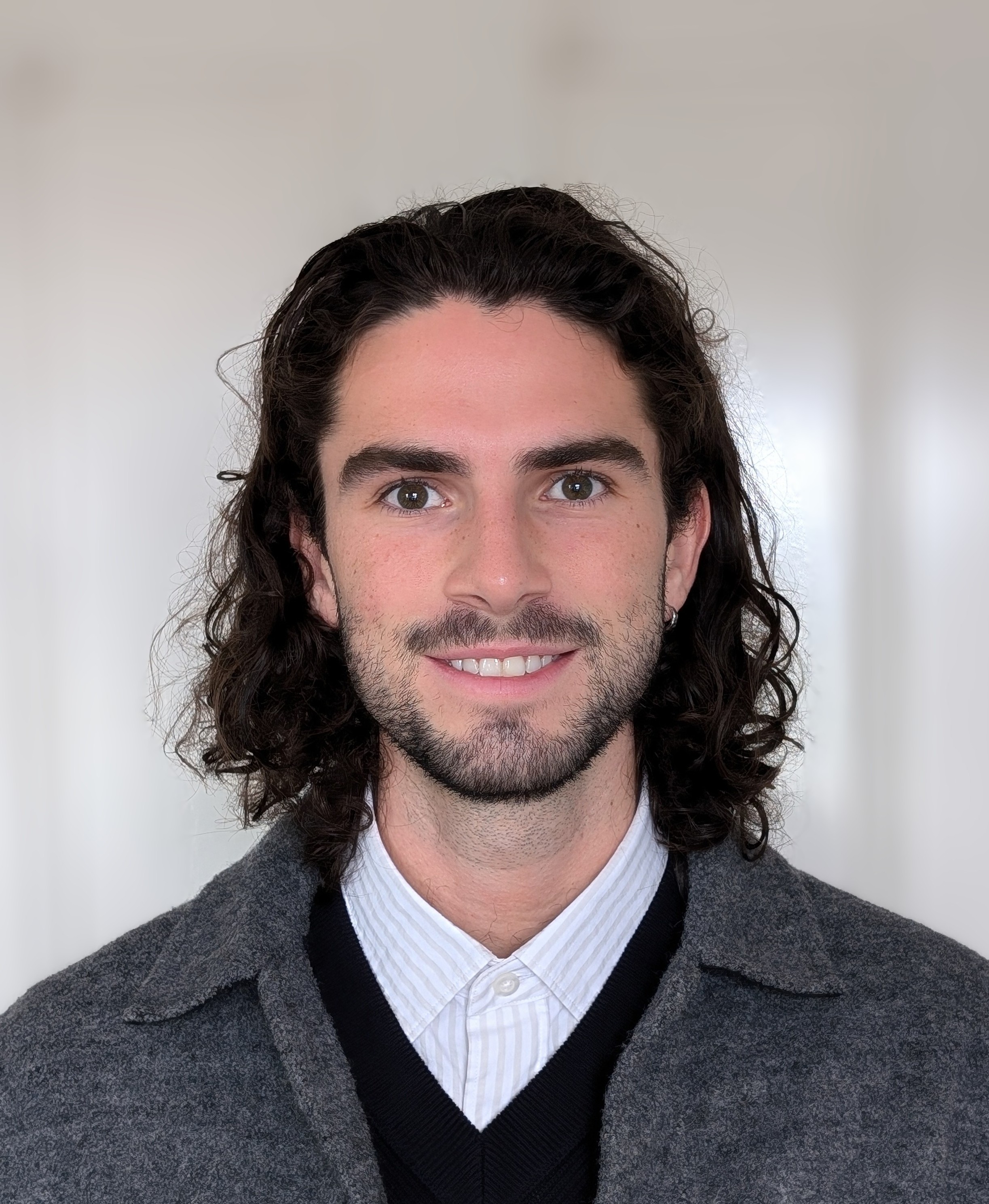
MSc Psychological Therapies (University of Edinburgh). I practise evidence-based CBT online across the UK & Ireland, and research what makes therapy work. More about me · Book a free call